
Small Planning Decisions That Make Better Wedding Photos
from 11 Wedding Photographers who have witnessed it all
by Grit City Weddings
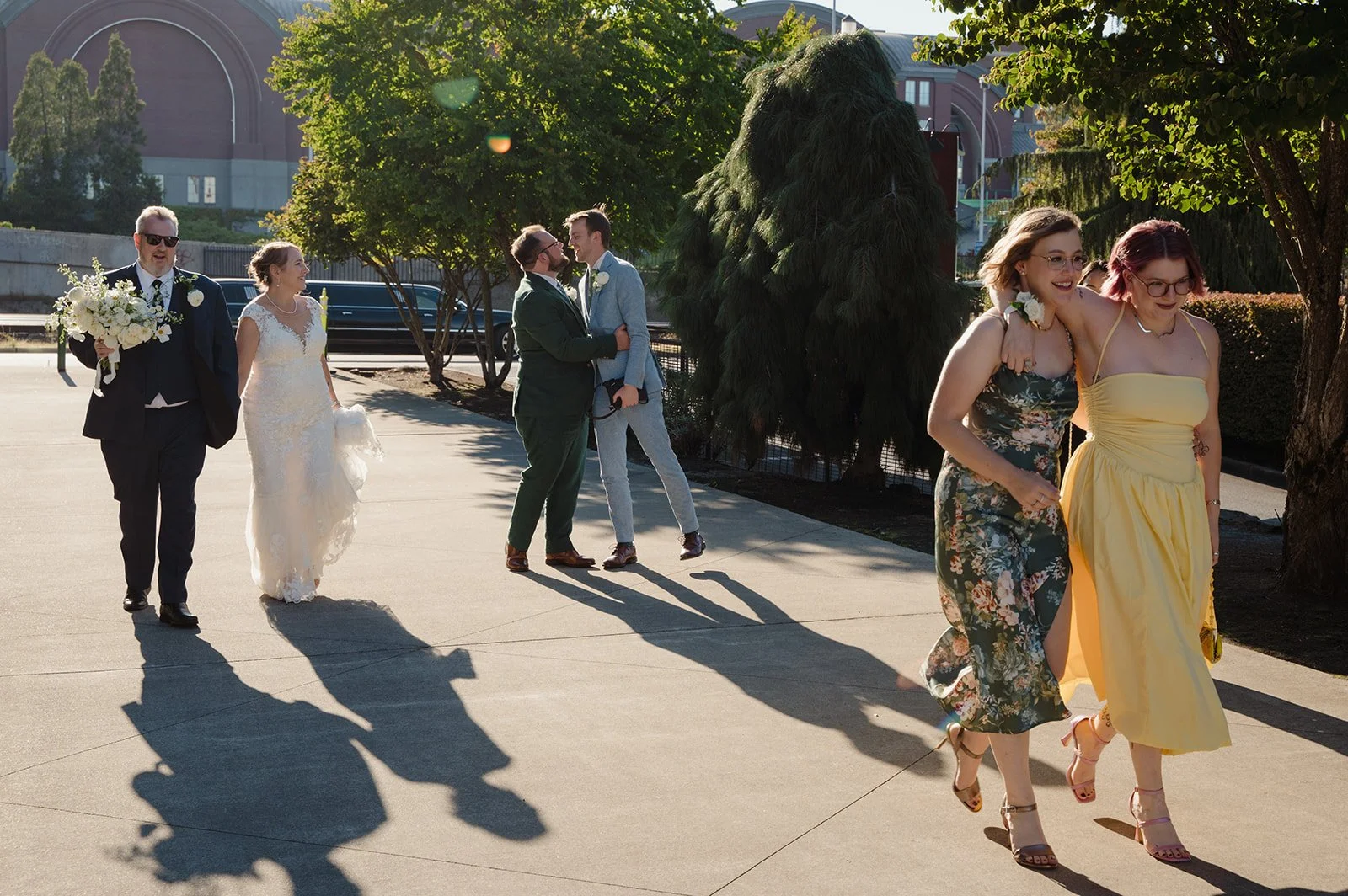
Photo by Jess Uhler
Couples spend a lot of time thinking about what their wedding will look like, but some of the things that have the biggest impact on your photos aren’t visual decisions at all.
We asked 11 wedding photographers we love working with one question:
What’s one small planning decision that can have a surprisingly big impact on wedding photos?
Their answers had quite a bit in common.
1. Give Your Timeline Some Breathing Room
A wedding timeline can work perfectly on paper and still feel completely different once there are 100+ actual humans involved.
Getting dressed takes longer when everyone is talking. Family photos take longer when Uncle Mike has wandered off to cocktail hour. Moving a wedding party from one location to another is rarely a two-minute operation.
Carley Jayne Photography made this point perfectly: “More people and more locations usually mean more time,” whether that’s a big wedding party, lots of family photos or getting ready somewhere away from the venue. Building the timeline accordingly creates “more room to enjoy those parts of the day instead of feeling like you’re rushing through them.”
That breathing room also gives your photographer more flexibility when something inevitably takes a little longer than expected.
Sasha Reiko Photography recommends building buffer time throughout the day because weddings almost never run perfectly on schedule.” That extra room means one delay doesn’t derail everything that follows, while also giving your photographer time to “get creative without the portraits feeling rushed or taking you away from the celebration for too long.”
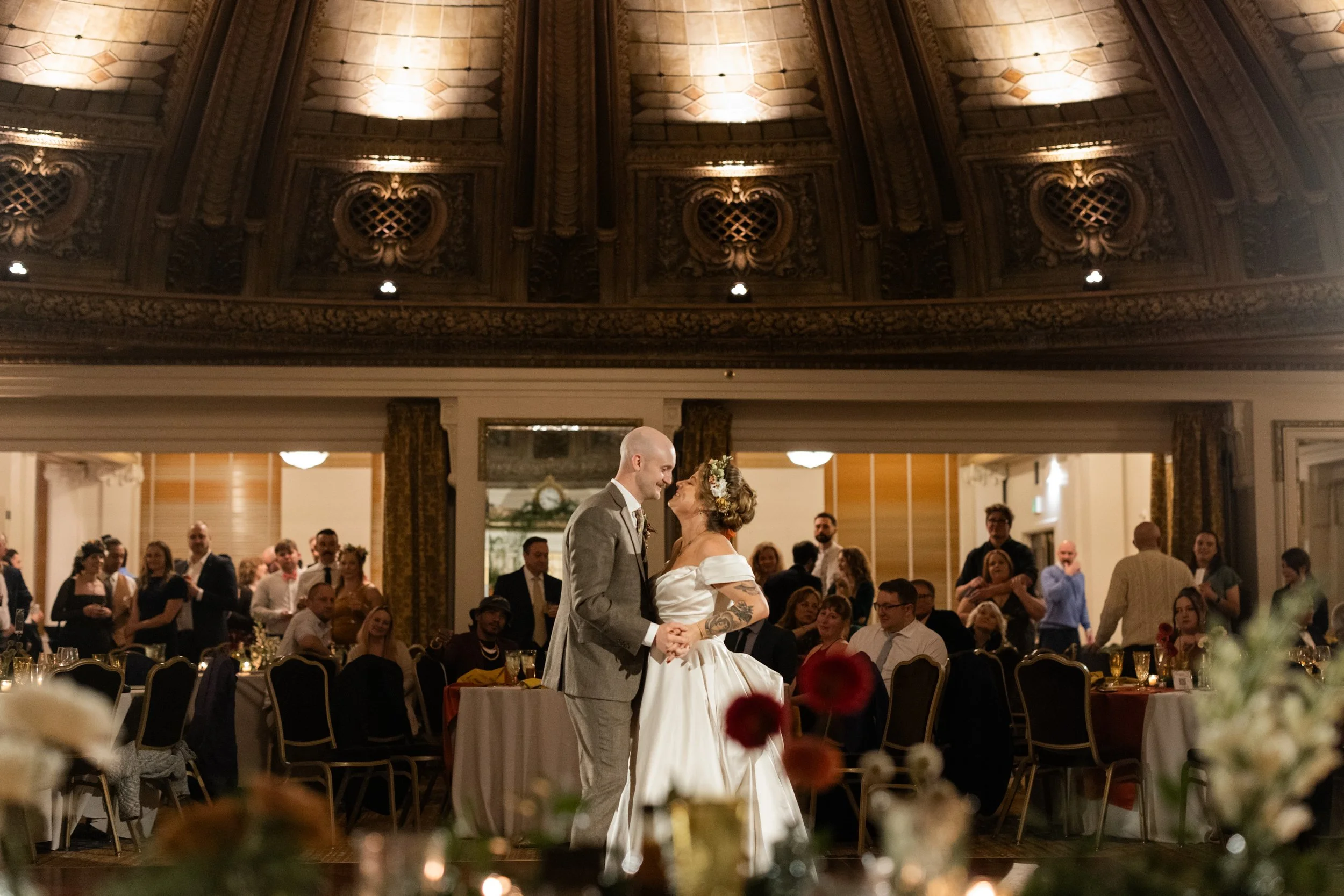
“After all, the day is about the two of you and celebrating with your people!” Quote + Photo by @sasha_reiko_photography
And there’s another reason we’re big fans of a little white space in a timeline: you need somewhere in the schedule to actually be at your wedding.
“It’s important to plan a little time just to be present to all that is happening and not feel like you’re rushing through your own wedding day without really experiencing it.” says Photographer Jess Uhler.
She recommends leaving margin between things like portraits, the first look and the ceremony. Her reasoning goes beyond staying on schedule: “The best, most authentic wedding photos…are easier to make when a couple is enjoying their day with all their significant people around them and not feeling like they’re on a photo shoot.”
The Grit City Weddings takeaway: We don’t build timelines around how quickly something could happen if everyone is standing exactly where they’re supposed to be. We build them around how wedding days actually happen. A little margin keeps one late hair appointment from becoming a late first look, late wedding-party photos, late family photos and, eventually, a late ceremony.
2. “Sunset” Isn’t Always When Google Says It Is
Three photographers gave us some version of this answer, so consider this one worth paying attention to:
Plan for the actual light at your venue, not just the sunset time on your weather app.
A 7:45 p.m. sunset does not necessarily mean you have beautiful portrait light until 7:45. Your venue might have a mountain, a neighboring skyscraper or some very tall Douglas firs between you and the sun.
As photographer Joe Tobiason points out, “Trees, hills, and buildings can cut the light up to an hour early.” He uses a shadow map to see how the light will actually fall at a venue and what kind of sunset colors are even possible because “an early sunset behind a ridge looks nothing like a late one over open water.”
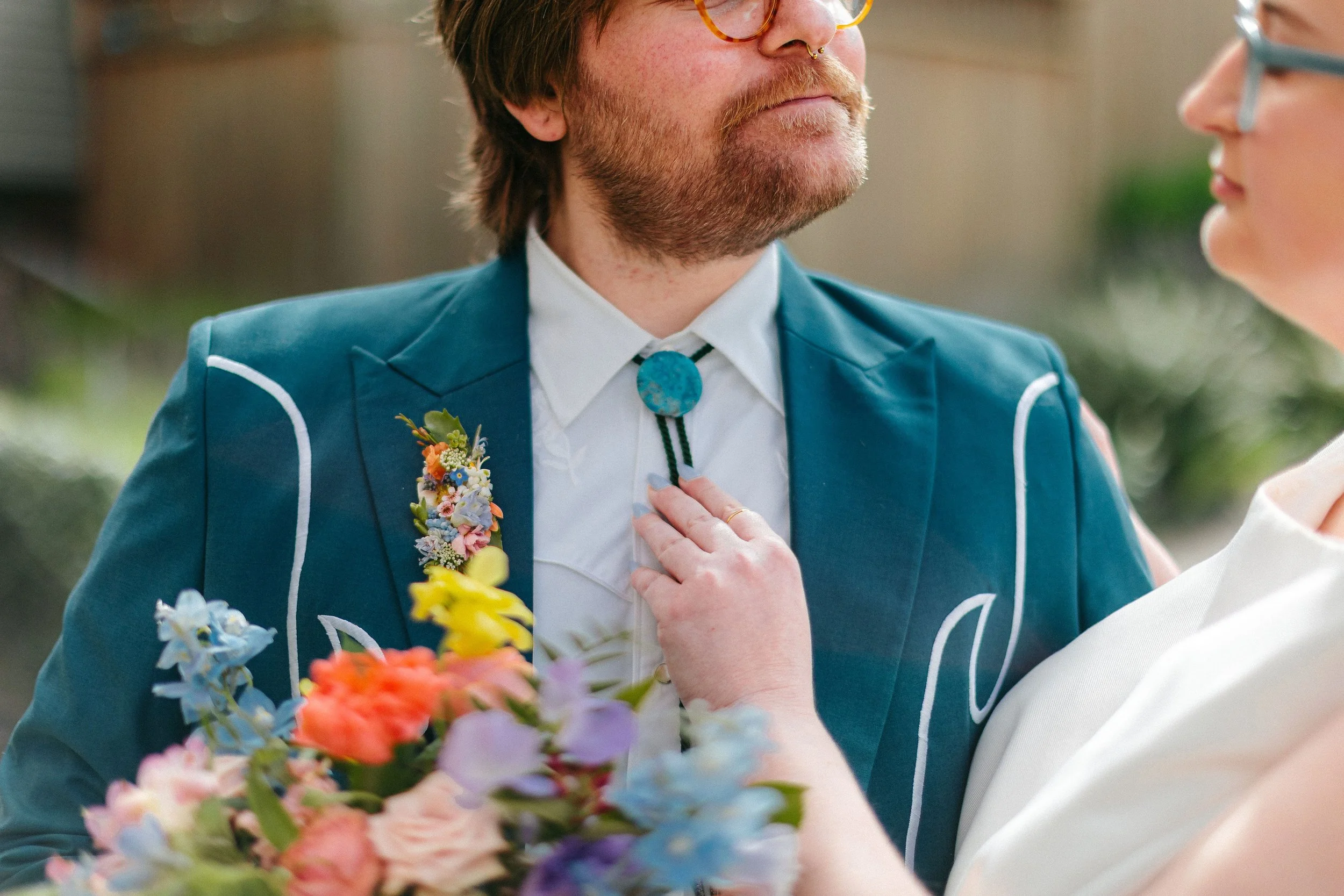
That’s why this is something worth talking about with your photographer before the timeline is finalized.Photo by @jtobiason
Jason Goldfarb Photography recommends checking apps like Sunseeker, but ideally working with your photographer to determine the best timing based on venue and time of year. “Oftentimes, I see couples plan about 30 minutes before the sunset, but this time can vary drastically based on your venue… you may need to pull that timing forward by an hour in some cases!”
That doesn’t necessarily mean disappearing from your reception for an hour. Photographers Breanna Plus Kevin love when couples and planners think about what time the sun sets and build some buffer after dinner or toasts. “The light is stunning, you’re more relaxed, you both have rings, you are MARRIED! Just 15 more minutes of portraits makes a big difference.”
The Grit City Weddings takeaway: This is where your photographer’s knowledge and your planner’s timeline have to work together. We’re looking at when dinner is served, when speeches happen, when your photographer says the light will be best and when that light actually disappears at your venue.
Sometimes the answer is a quick 15-minute escape between reception events rather than a giant block labeled SUNSET PHOTOS.
The goal is great light without making your reception revolve around chasing it.
3. If You’re Doing a First Look, Give It Time to Actually Be a First Look
We’re not here to tell you that every couple needs a first look. There are very good reasons to see each other beforehand, and equally good reasons to save that moment for the aisle.
But if you do choose a first look, let it be a moment rather than another item to check off the timeline.
Photographer Emett Joseph points out that it can also change the logistics of everything that follows:
“The one small decision that has the largest impact on your wedding photos is whether or not you have a first look! While waiting for the ceremony can sound romantic, choosing to have a first look before the ceremony will allow you to be more relaxed throughout the rest of your wedding day. You'll have more time to get all of the photos you want before the ceremony, and can spend the rest of your wedding day actually enjoying the day (which always results in better photos).”
If you decide to have one, don’t cram it into the schedule.
Tori Osteraa Photography says, “When the couple knows they have a dedicated 10 minutes to this once-in-a-lifetime moment, they are much more present for the rest of the day. I think it’s up to us as vendors to provide a couple small moments throughout the day for our couples to be fully present. It’s all not one big photoshoot! The portraits of them after the first look this way are more real, candid, and honest afterwards because they’ve had a moment to take it all in.”
The Grit City Weddings takeaway: From the planning side, we like that a first look can do two jobs really well. It can create a private moment together and open up the timeline so more portraits happen before the ceremony.
Give yourselves a few minutes. Hug. Talk. Cry. Laugh. Check out each other’s outfits. Soak it all in. .
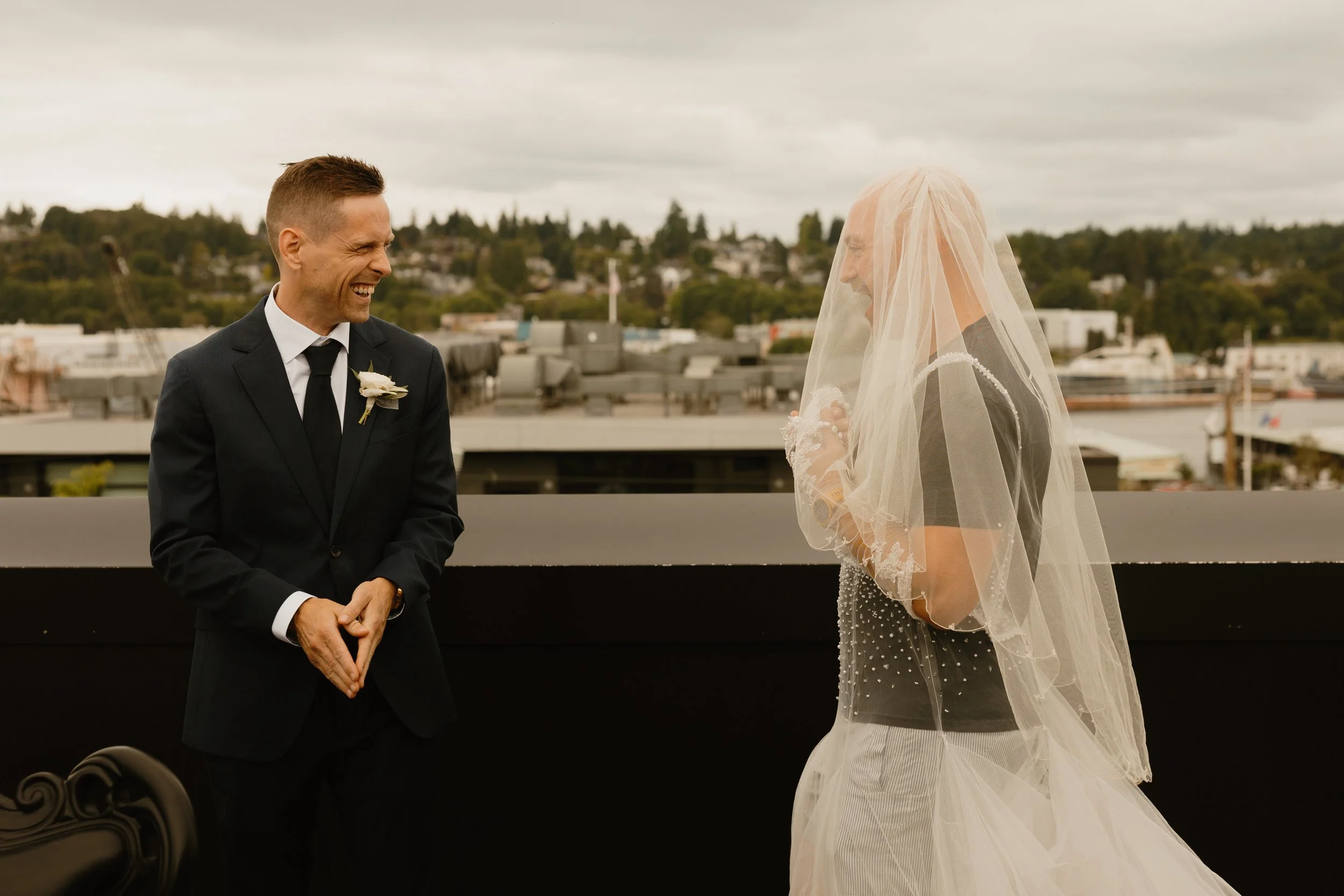
Factor in some time for the prank version of your first look, if that’s your style.Photo by @toriosteraa
4. Make It Easier to Get the People You Love Into the Photos
Some of the best ways to improve your photos have absolutely nothing to do with photography.
Valerie Blake Photography gave us three small logistical moves we love:
“I think it is helpful to have the officiant announce for the family to stick around after the ceremony for portraits and dismiss everyone else to cocktail hour. It is so hard to track everyone down once they have dispersed.”
Everyone’s phone ringers should be silent from the ceremony, so there’s no way to easily find Aunt Lou who went to the restroom and Cousin Bobby already on the hunt for appetizers.
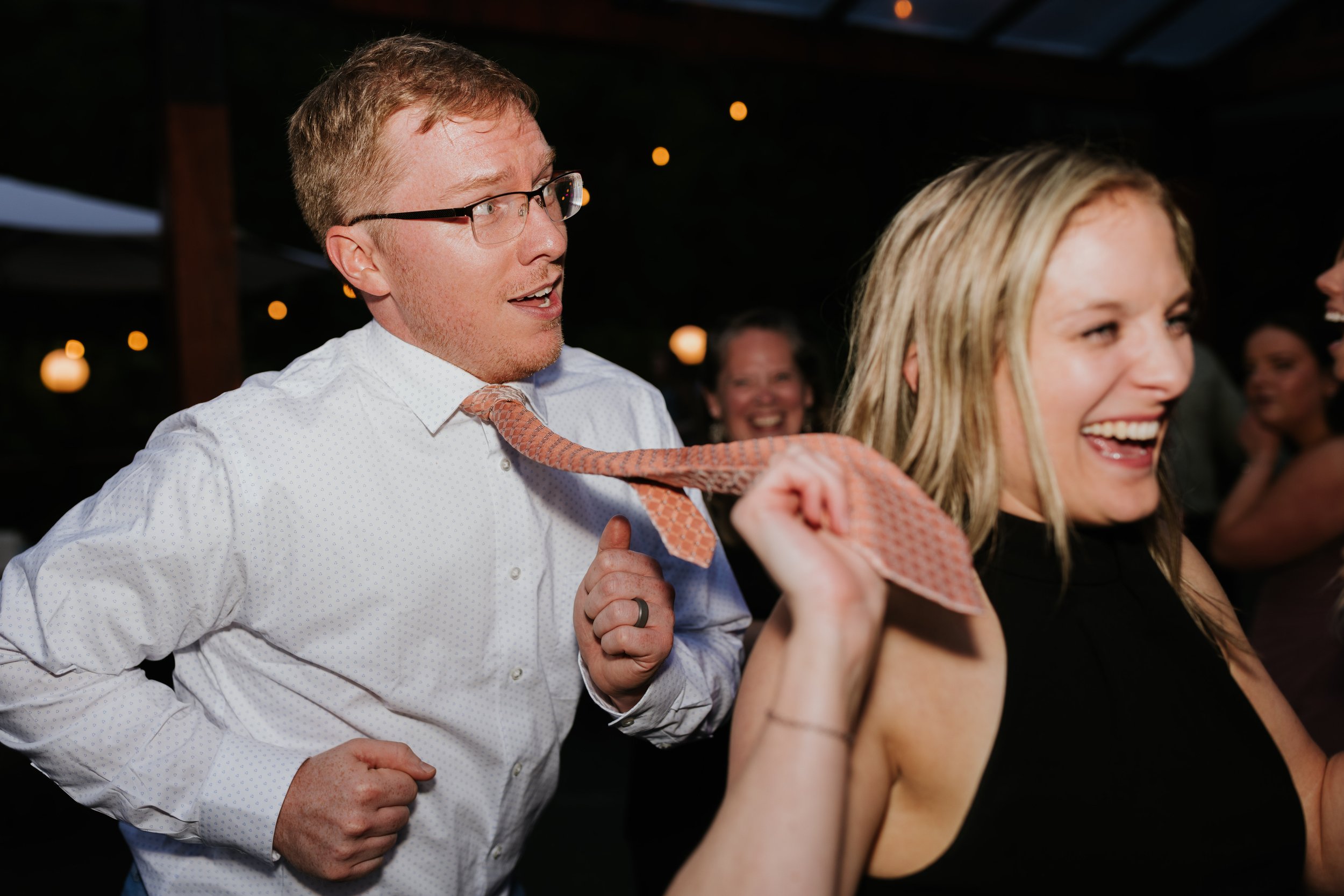
Once they hit cocktail hour, all bets are off.Photo by @breannapluskevin
“Pre-filling out marriage certificates so all you have to do is sign is also very helpful.”
“Lastly, scheduling hair and makeup to be done earlier than you actually need it.”
The Grit City Weddings takeaway: This is the kind of stuff we’re looking for when we build a wedding day: tiny logistical decisions that eliminate hunting, waiting and last-minute decision-making.
Your family should know when they’re needed for photos. Your wedding party should know where they’re going next. Hair and makeup should have some padding built in. Paperwork that can be handled beforehand should be.
None of these things are particularly exciting. That is exactly why we handle them.
5. Decide How You Actually Want to Experience Your Wedding
This might be our favorite advice of the bunch because it gets at something bigger than photography.
Before deciding how many portraits you need or whether you should do a first look, ask yourselves what you want the day to feel like.
Do you want to spend almost all of the cocktail hour with your guests? Do you want ten minutes alone after the ceremony? Are family photos incredibly important to you? Would you happily sneak away from dinner for sunset portraits, or would you rather stay at the table?
There isn't one correct answer.
Vivyanne Photography recommends having that conversation together:
“In my experience, a planning decision to make with your partner that can not only impact your wedding photos, but also the whole wedding experience, is to chat about how you two want to be present for the day. This conversation can make a difference on your wedding day in how you show up for each other, with your people and in your photos. As a photographer, I will always want to hear your thoughts on this because it'll help me prioritize your needs and document your day to reflect that!”
And while you’re thinking about how you want to experience the ceremony, decide how you want your guests to experience it too.
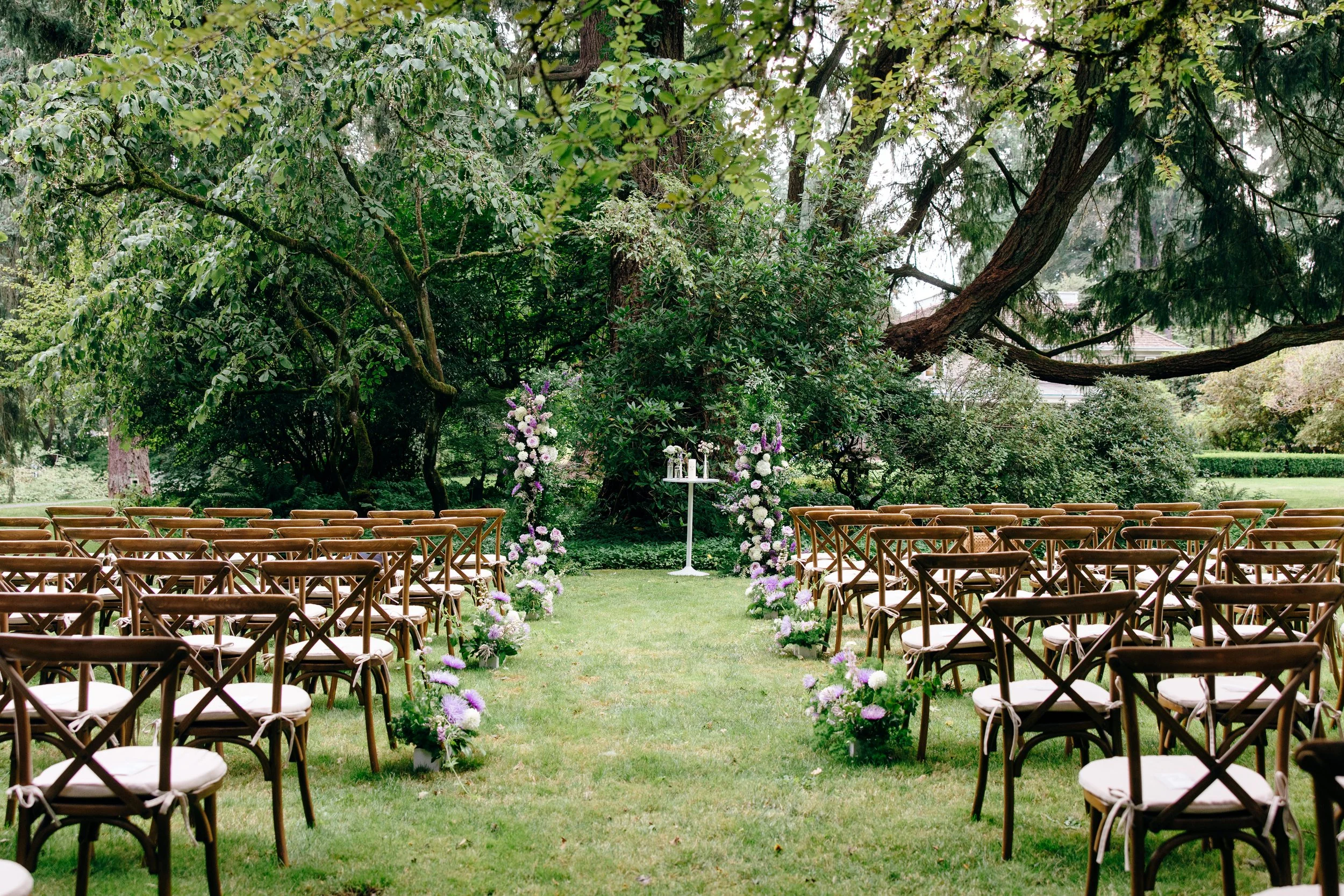
If seeing a row of phones when you come down the aisle would drive you nuts, consider going unplugged. Photo by @cameronzegers
Cameron Zegers Photography recommends asking guests to put away phones and cameras during the ceremony “if you want your guests to be fully present with you or you want to avoid phones in the photos of you coming down the aisle.”
That can be communicated ahead of time, but we’re also fans of having the officiant make a quick announcement before the processional.
Better Photos Usually Start With Better Planning
The takeaway here isn't to spend more time taking photos. It’s almost the opposite.
Give the important parts of the day enough time. Know where the light will be. Tell people where they need to go. Handle the tiny logistics ahead of time. And protect a few moments when absolutely nothing needs to happen next.
Then let your photographer do what you hired them to do.
The goal isn’t to structure your wedding around manufacturing great photographs. It’s to structure a wedding day that works really well, feels like you, and gives your photographer the opportunity to document it.
You spent a lot of time planning this party. You should get to be present at it.
Want some help planning a wedding where the timeline actually leaves room to enjoy it?
